Red Flag Warning through California: Why October Is Dangerous.
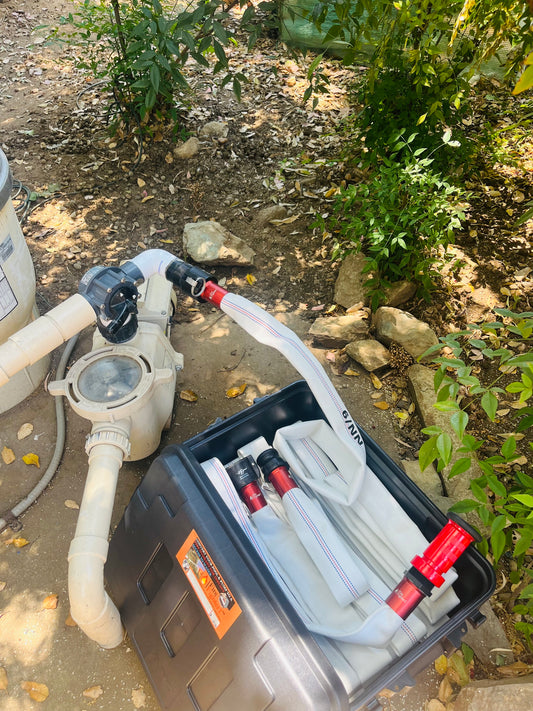
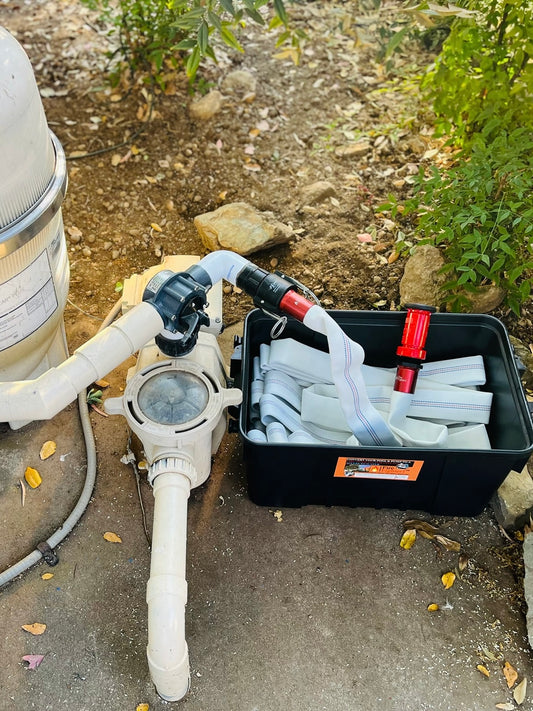
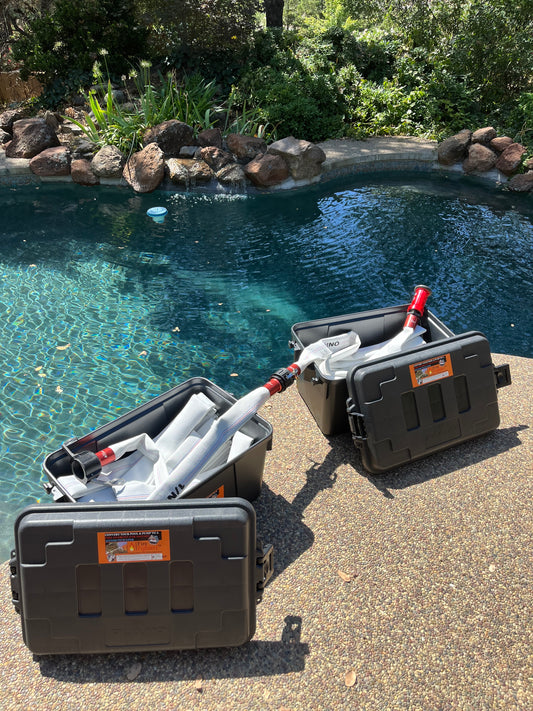
Wildfire danger doesn’t end with summer. If you own a FireFighter1™ System, now is a great time to have the hose available & familiarize yourself with your pump setup to help alleviate issues if there is a fire emergency.
October can bring some of the most dangerous fire weather of the year, and with Red Flag Warnings in effect across parts of California today, homeowners need to be prepared before the next wildfire starts.
Strong winds, low humidity and dry vegetation can turn a small spark into a fast-moving wildfire in minutes. Whether you live in the Sierra foothills, Southern California, or another wildfire-prone area, now is the time to prepare your home, family and fire protection resources.
What Is a Red Flag Warning?
A Red Flag Warning is issued by the National Weather Service when critical fire weather conditions are occurring or expected soon. These conditions typically combine:
- Strong, gusty winds that push flames and carry burning embers.
- Low humidity that dries vegetation and makes it easier to ignite.
- Warm temperatures and dry fuels that can contribute to rapid fire growth.
During a Red Flag Warning, avoid outdoor burning, secure anything that could become a source of sparks, monitor official alerts and be ready to evacuate if instructed.

A Red Flag Warning does not mean a wildfire is already burning near your home. It means conditions are dangerous enough that one ignition could have serious consequences.
Why Is October So Dangerous for California Wildfires?
Many homeowners assume wildfire season ends when summer is over. Unfortunately, California’s fall fire weather can be extremely dangerous.
October often brings Santa Ana winds in Southern California and Diablo winds in Northern California, along with dry vegetation left behind by the summer months. These powerful winds can spread embers, overwhelm containment efforts and push fires toward homes and neighborhoods.

Recent California fire activity, including the October Bike Fire near Santa Clarita and the 2026 Timber and Plaskett fires along the Big Sur coast, is another reminder that wildfire threats can emerge in different parts of the state.
With dangerous winds and low humidity forecast this week, waiting until smoke appears is not a preparedness plan.
Wildfire preparedness starts long before a fire reaches your neighborhood. Take these steps now:
- Create defensible space: Remove dead vegetation, clear leaves from gutters and keep combustible materials away from your home.
- Prepare an evacuation plan: Know your routes, pack essential supplies and follow official evacuation orders immediately.
- Stay informed: Monitor National Weather Service alerts, CAL FIRE updates and local emergency notifications.
- Plan for power outages: Keep essential supplies and communication devices ready in case utilities shut off electricity during dangerous fire weather.
- Prepare your available water resources: If you own a swimming pool, consider how you could access that water quickly in an emergency... FireFighter1™ Systems Maybe.

No single product can guarantee that a home will survive a wildfire. Multiple layers of preparation can help homeowners be better equipped when conditions change.
Own a Pool? Make Sure Your FireFighter1™ System Is Ready.
Your swimming pool may hold thousands of gallons of water, but having water in your backyard and being able to access it quickly are two different things.
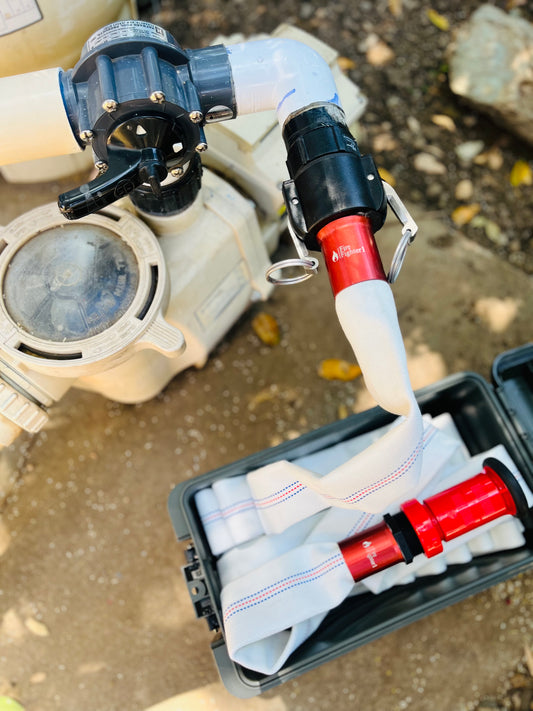
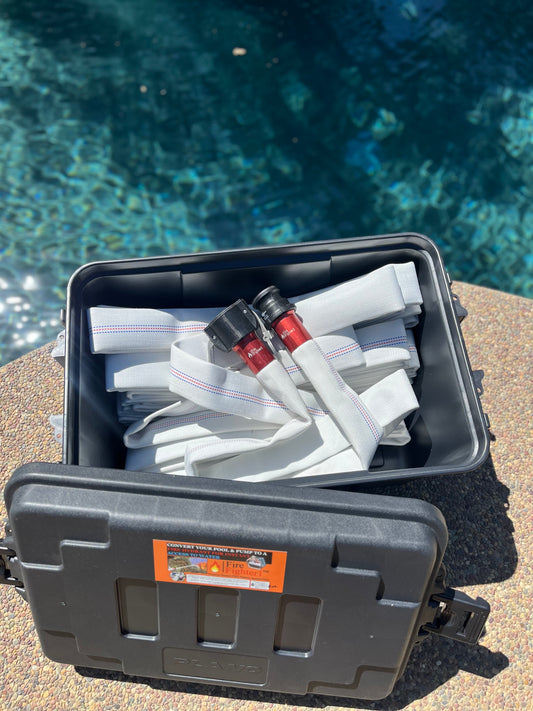
FireFighter1™ connects to your existing pool pump, giving you access to pool water through a dedicated, high-volume fire hose system. It is designed to help prepared homeowners use an existing water resource to wet down areas around their property when conditions allow.
If you already own FireFighter1™, take a few minutes today to:
- Inspect your hose, fittings, adapter and connections for damage or wear.
- Confirm your system is properly installed and ready for use.
- Follow the manufacturer's instructions for testing your setup and checking your pool equipment.
- Make sure everyone in your household understands where the equipment is stored and how it works.
Do not wait for a Red Flag Warning to discover that a connection is loose or equipment needs attention. If your system needs maintenance, arrange it before fire danger escalates.

Don't own FireFighter1™ System yet? Prepare before the next wildfire.
If you have a swimming pool and live in a wildfire-prone area, now is the time to explore your options. FireFighter1 is available in 50-foot and 100-foot configurations, helping pool owners turn an existing water resource into another layer of wildfire preparedness.
Explore the system, compare options and get prepared before the next emergency:
Shop FireFighter1 Wildfire Protection Systems
Prepare Before the Smoke. Protect What Matters.
Red Flag Warnings are a reminder that wildfire preparedness cannot wait until a fire is visible on the horizon. Clear your property, know your evacuation plan, stay informed and make sure your available resources are ready.
FireFighter1 is an additional preparedness tool—not a replacement for professional firefighters, evacuation instructions or emergency services. Never delay evacuation to protect your property.
Prepare now to make that resource more accessible when it matters.
Your pool already has the water. Learn more at FightFireFirst.com