Experience “National Wildfire Awareness Month”:
Solidify Your Fire Plans Before Fire Season.
Every May, communities across the United States recognize Wildfire Awareness Month, a nationwide initiative focused on preparation, prevention, and protecting lives before fire season storms in. But in recent years, wildfire season has stopped following the usual calendar. Fires are starting earlier, spreading faster, and reaching communities once considered low-risk.
For homeowners, preparation can no longer begin when smoke appears on the horizon. By then, the window for effective action may already be closing.
The reality is sobering: millions of Americans live in wildfire-prone regions, yet most households remain underprepared for the speed and intensity of modern wildfires. While many families focus on evacuation plans and defensible space around the home, one critical element is often overlooked; the immediate access to a reliable water source capable of protecting the property even before emergency crews arrive.
That missing piece is exactly where FireFighter1 enters the conversation.

Photos by: Christopher B. & Jesse G.
Wildfire Season Is No Longer “Seasonal”.
Historically, wildfire activity peaked during the hottest months of summer. Today, climate conditions have changed that pattern dramatically. Longer drought periods, record-breaking heat, lower humidity, and accumulated dry vegetation have extended wildfire conditions across much of the year.
According to the National Interagency Fire Center, thousands of wildfires ignite annually across the United States, burning millions of acres and threatening homes, infrastructure, and lives. Experts now warn that fire seasons are expanding in duration and intensity across many regions, both nationally and globally.
That is precisely why May has become such a critical month for wildfire awareness campaigns nationwide. Fire agencies and preparedness organizations emphasize one message repeatedly:
Preparation must happen before the first fire starts.
Once evacuation notices are issued, homeowners often have only minutes to react. Roads become congested, emergency responders are stretched thin, and conditions can shift unpredictably due to wind-driven embers.
The most dangerous assumption homeowners make is believing they will have enough time to prepare later.
Most Homeowners Think They’re Ready, But Aren’t.
Ask most homeowners if they are prepared for wildfire season, and many will confidently say yes!
They may have:
- Cleared brush and dead vegetation.
- Created defensible space.
- Packed emergency evacuation kits.
- Installed smoke alarms.
- Reviewed escape routes with family members.
All of these are essential wildfire preparedness practices. But there is one question many households fail to answer:
How will you actively defend your property if embers ignite your home before firefighters arrive?
This is where wildfire readiness often breaks down.
A fire extinguisher may help contain a small spot fire, but it is not designed to combat airborne embers landing across an entire property. Traditional sprinkler systems can be costly, complex, and limited in emergency situations. Meanwhile, firefighters may already be responding to multiple active structures simultaneously during large wildfire events.
In many wildfire disasters, homes ignite long before emergency crews can physically reach the neighborhood and premises.
Preparedness without immediate water access is simply incomplete!
The Hidden Resource Sitting in Your Backyard.
Millions of homeowners already possess one of the most powerful fire defense resources available: their swimming pool.
A standard residential pool often contains 10,000 to 20,000+ gallons of water, equivalent to more than 20 fire trucks. That is an enormous emergency water reserve capable of helping suppress spot fires, wet down structures, cool surrounding vegetation, and reduce ember ignition risks.
The issue has never been the lack of water.
The issue is access.
During an emergency, homeowners need the ability to rapidly deploy large volumes of water where it matters most. Standard pool systems are not designed for wildfire defense. Garden hoses alone often lack the pressure, reach, and adaptability needed during a fast-moving fire event.
That is why innovative solutions like FireFighter1 are becoming increasingly important in wildfire preparedness conversations.
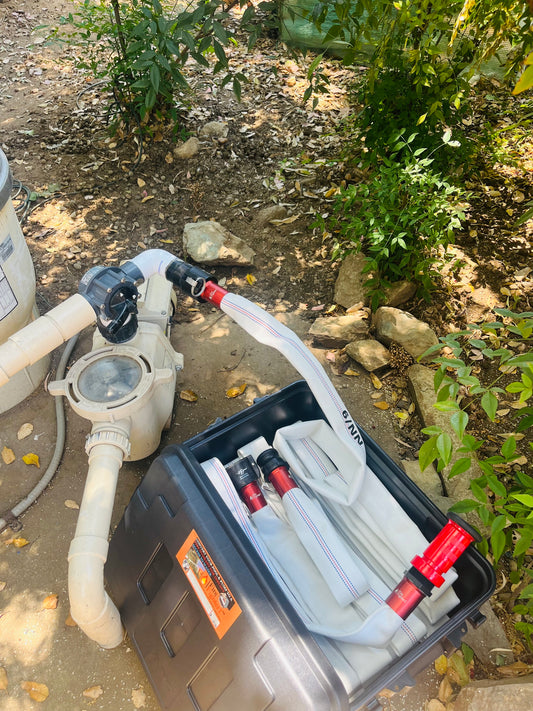
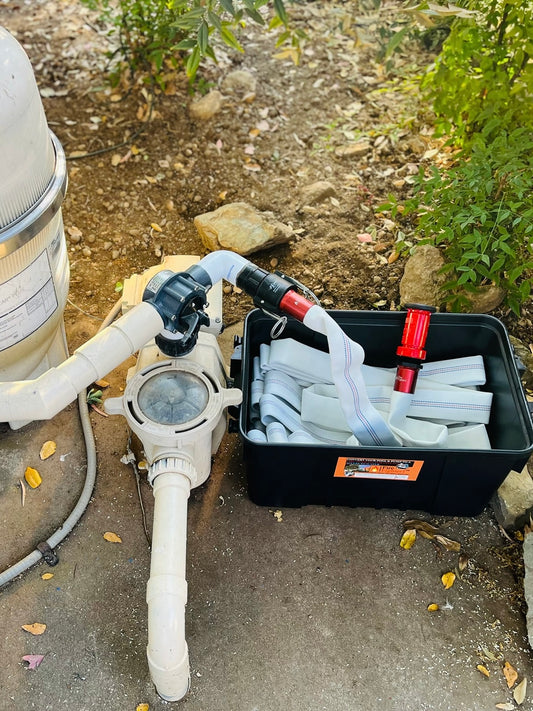
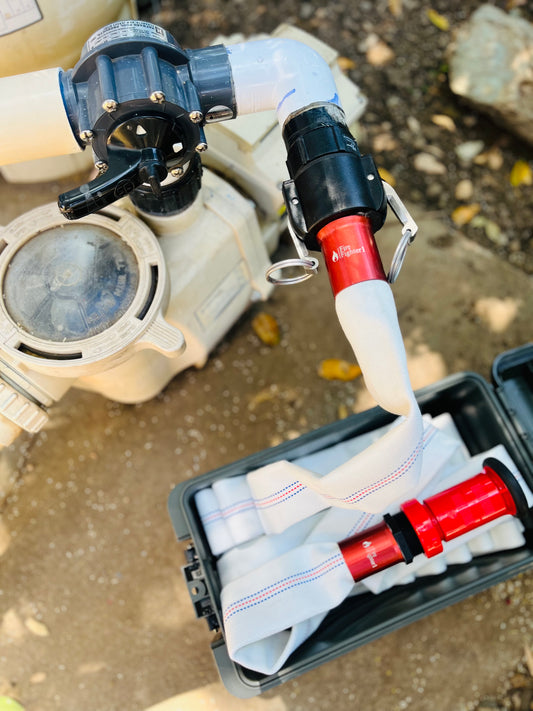
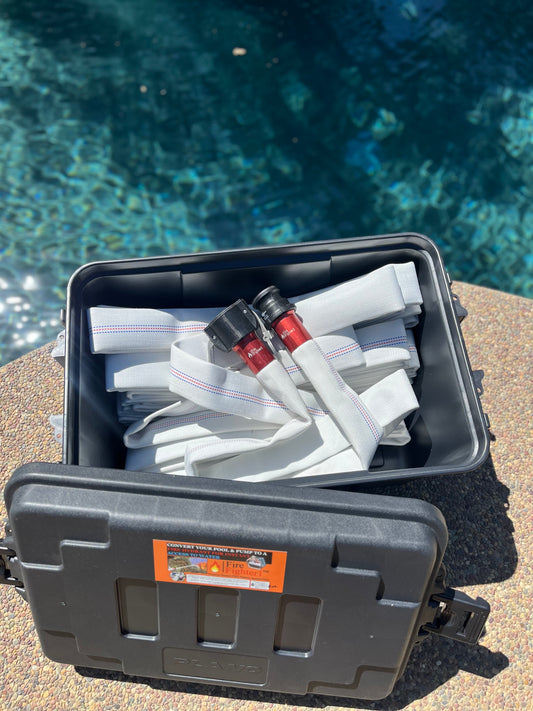
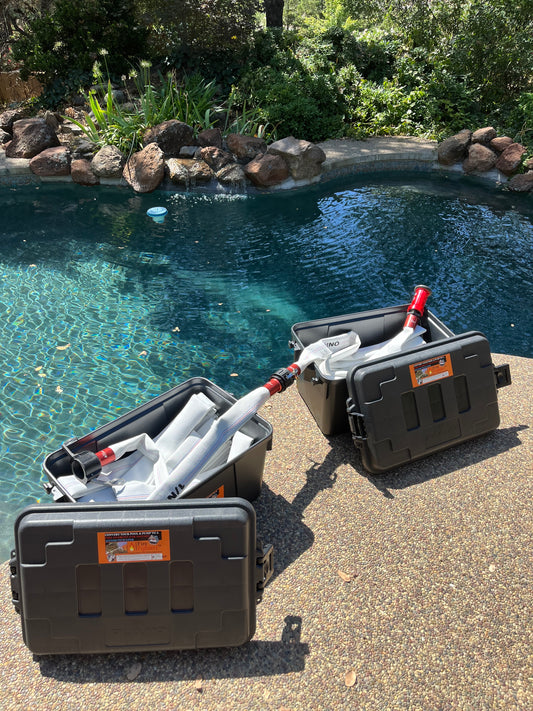
The company’s aquatic adaptive solutions are specifically designed to easily convert existing pool water into an accessible emergency firefighting resource. Instead of watching thousands of gallons sit unused during a wildfire threat, homeowners can transform their pools into active property protection systems.
The concept is simple but powerful:
You do not need more water. You need access to the water you already have.
Why Immediate Action Matters During Wildfires.
One of the most misunderstood realities about wildfires is how homes actually ignite.
Many people picture massive walls of flames consuming entire neighborhoods directly. In reality, embers are often the primary cause of structural ignition. Wind-driven embers can travel miles ahead of the fire front, landing on roofs, decks, fences, vents, and dry vegetation.
The National Fire Protection Association has repeatedly emphasized that ember exposure is one of the leading causes of home ignition during wildfires.
This creates a critical time gap:
- Embers begin landing.
- Small spot fires ignite.
- Conditions intensify.
- Firefighters may still be miles away responding elsewhere.
That gap is where preparation determines outcomes.
Having rapid access to water allows homeowners to wet and drench vulnerable areas, cool surfaces, and potentially slow the spread of ignition points before conditions become catastrophic.
In wildfire emergencies, minutes matter.
The Importance of Community Fire Preparedness.
Wildfire readiness is not just an individual responsibility; it is a community effort.
Studies show that approximately 85% of wildfires in the United States are human-caused, according to federal wildfire agencies. Prevention, awareness, and preparedness all play a major role in reducing wildfire risks and protecting neighborhoods.
This is also why initiatives like Wildfire Community Preparedness Day continue gaining national attention every early May. These awareness campaigns encourage homeowners to strengthen their properties before peak fire conditions arrive.
Smart homeowners are already taking action by:
- Creating a neighborhood watch.
- Upgrading emergency response plans and discussing them with neighbors.
- Strengthening home ignition zones.
- Testing evacuation procedures.
- Assessing fire-prone areas surrounding the neighborhood.
- Installing proactive fire defense tools before peak season begins.
The most effective wildfire plans combine prevention with response capability.
Because when a wildfire approaches, preparation alone is not enough if homeowners cannot act immediately and together. FireFighter1 equips homeowners with the opportunity to not only wet down their own properties but also adjacent ones with fire hoses spraying over 100 GPM at 40+ feet high.
What Smart Homeowners Are Doing Right Now.
As wildfire risks continue increasing nationwide, proactive homeowners are shifting from reactive thinking to strategic preparation.
They understand:
- Wildfires are becoming more unpredictable.
- Emergency response systems can become overwhelmed.
- Early action improves survival odds.
- Property protection starts before evacuation orders occur.
That is why many pool owners are now integrating systems like FireFighter1 into their broader wildfire readiness plans.
The process is proactive:
- Install the system before fire season escalates.
- Test the equipment regularly.
- Ensure immediate deployment capability.
- Prepare family members on emergency procedures.
- Build confidence before a crisis begins.
- Protect your property and neighboring ones.
The goal is not replacing professional firefighters.
The goal is buying valuable time, reducing ignition risks, protecting property, and supporting community resilience until emergency responders arrive.
Weekly Fact-Drops:
Did you know that May is designated as the National Wildfire Awareness Month because it directly precedes the peak, hotter, and drier summer months, as 2024 alone saw about 64,897 wildfires reported across the nation.

Data: Natural Disasters: How Much Damage Do Wildfires Cause? Statista. August, 2023.
The Difference Between Prepared and Protected.
Wildfire Awareness Month exists for one reason: to encourage action before disaster strikes.
Every year, countless homeowners believe wildfires happen somewhere else; until conditions change overnight. By the time smoke fills the air and evacuation alerts arrive, opportunities for preparation are often gone.
The truth is that many homeowners already possess one of the most valuable firefighting assets imaginable sitting quietly in their backyard.
Their pool.
What determines whether that resource becomes life-saving protection is accessibility, preparation, and speed.
That is where FireFighter1 changes the general equation.
In a world where wildfire threats are growing more aggressive each year, preparedness is no longer a luxury. Protecting your home, your loved ones, and even your neighbors requires more than awareness; it requires smart action.
Because the difference between being prepared and being protected is what you do before fire season starts.
.